
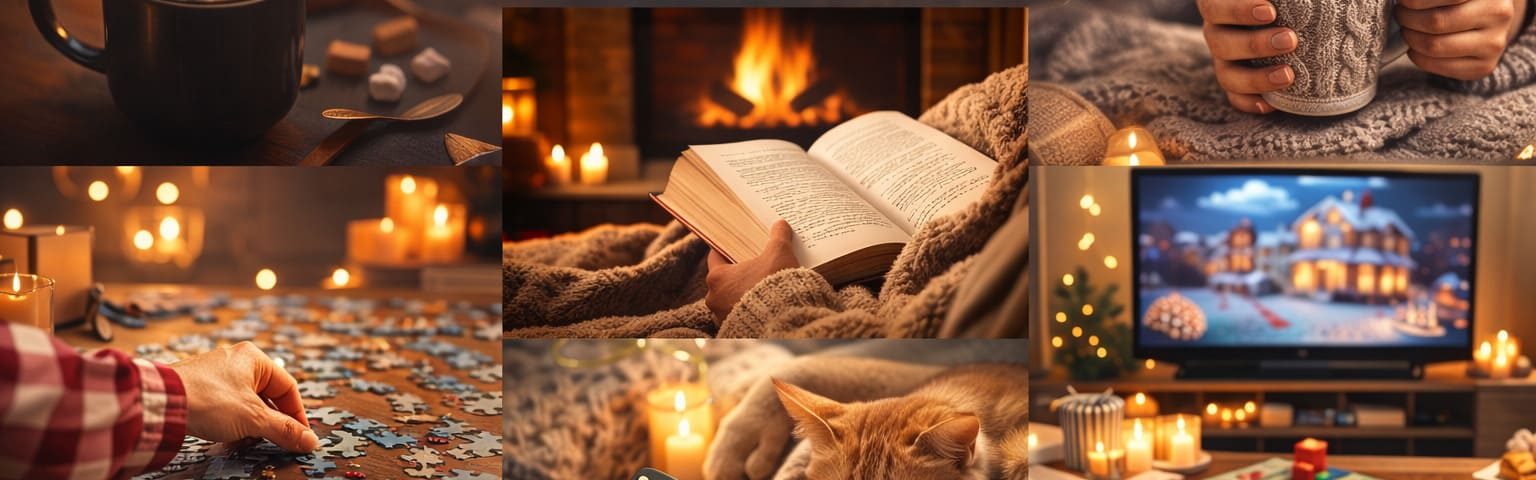
By five o’clock the sky is already black. The heating kicks on, the windows go opaque with condensation, and the gap between finishing work and going to bed suddenly feels enormous. Winter evenings are long in a way that catches people off guard every single year — like they forgot it from last time.
That stretch of hours is genuinely hard to fill well. Scrolling until midnight doesn’t help. Watching three mediocre episodes of something forgettable doesn’t either. What tends to actually work — and this is backed up by most sleep and stress research, not just personal anecdote — is having a loose set of rituals that give the evening some shape without turning it into another thing to manage.
Board games are one of those rituals, and Monopoly in particular has this almost old-fashioned reliability to it. Pull it out on a Tuesday in January, apply some sensible house rules so it doesn’t last four hours, and it becomes the kind of evening everyone remembers more warmly than they expected to. There’s even a corner of the internet dedicated to the Monopoly-adjacent — results tracking, variant formats, extended game communities — and if you want to poke around that world before your next game night, https://monopolybigballer-results.com/ is one place people point to.
Below are seven things worth doing on a winter evening — for people who are alone, for couples, for families with kids old enough to sit still for more than nine minutes. Not all of them will suit every night. That’s fine. The point is having options that don’t involve doomscrolling and then wondering why you’re tired and wired at midnight.
Set the Mood First
This sounds like the kind of advice that belongs in a scented candle advertisement, but it’s worth taking seriously. The physical environment of a room does most of the emotional work before you’ve even decided what to do. Overhead lights are the single biggest problem in most houses at night — they’re designed for tasks, not for rest. Turn them off. Use a lamp, a string of lights, candles if you have them. The room will feel different in under sixty seconds.
Temperature and smell matter more than people expect. A room that smells faintly of something warm — a candle, a simmering pot with a cinnamon stick dropped in, something baking — signals safety in a weirdly primal way. Same with being slightly too warm rather than slightly too cold. Getting comfortable before you try to relax sounds obvious but almost nobody actually does it. They get settled on the sofa and then spend twenty minutes getting back up for a blanket, a drink, the remote.
Do it in the right order:
- Switch off overhead lights before anything else
- Turn the heating up or light something — decide not to be cold
- Get your drink sorted before you sit down, not after
- Put your phone face-down or in a different room entirely
- Close the curtains — the cold feels less cold when you can’t see the dark outside
- Put a blanket on the sofa before you need it
- Pick background music or silence before you get comfortable
- Lower the brightness on any screen you’re using — default TV settings are calibrated for showrooms, not living rooms
- Light a candle or put something on the stove even if you’re not cooking
- Swap shoes for slippers — it’s a small thing that actually works
1) Cook a Slow, Comforting Dinner

January is the best argument for owning a Le Creuset, or a cheap equivalent. Not because of the aesthetics — because of what it means to have something simmering on the back burner for two hours while you do other things. A beef stew, a lentil soup, a pasta e fagioli that you keep tasting and adjusting. Winter cooking is less about the food and more about what filling the kitchen with warmth and smell does to the rest of the house.
The ritual element is real. Chopping things, stirring things, tasting things — it’s repetitive enough to be calming and involved enough to stop you from thinking about your inbox. Cooking in winter is also more forgiving than people think. A tray of root vegetables roasted with oil and salt while a cheap cut of meat braises alongside: that’s dinner. It takes about twelve minutes of actual effort.
On low-energy nights — the midweek nights when even the thought of a recipe is too much — keep it simpler. A tin of good tomatoes, pasta, and a parmesan rind dropped in while it simmers. A jacket potato that you can load with whatever’s in the fridge. The bar isn’t high. It just needs to be warm and made at home. Eating it properly, at a table, without a screen: that’s the ritual, not the recipe.
2) Make a Warm Drink Ritual

There is a version of making tea that takes ninety seconds and there is a version that takes five minutes and involves actually choosing what you want, using a nice mug, and sitting down with it before it goes cold. Only one of those is a ritual. The other is just hydration.
Holding something warm is a well-documented comfort mechanism — not a metaphor, an actual physiological response. It reduces perceived loneliness, lowers heart rate, does useful things. Which is a very clinical way of saying that a mug of hot chocolate on a winter evening is doing more than you think.
| Drink | Mood | Effort | Best For |
|---|---|---|---|
| Chamomile or lavender tea | Calm, drowsy | Very low | Wind-down evenings, solo nights |
| Spiced hot chocolate | Indulgent, warming | Low–medium | Family nights, proper treat evenings |
| Warm oat milk with honey | Gentle, grounding | Very low | Anxious or overtired evenings |
| Decaf flat white | Focused, comfortable | Low (pod machine) | Reading or journaling nights |
| Turmeric golden milk | Warming, earthy | Medium | When you want to feel like you’re being healthy |
| Mulled apple juice | Festive, sociable | Medium | Groups, non-alcoholic celebration option |
The specifics matter less than the habit. Pick something, make it properly, sit down with it. Don’t drink it in the kitchen while looking at your phone.
3) Read, Journal, or Write Letters

After a day of absorbing other people’s words — emails, meetings, voice notes, podcasts, the radio in the car — silence and your own thoughts can feel almost foreign. That discomfort, that slight restlessness when nothing is making noise at you, is worth sitting with rather than immediately filling.
Reading helps. Not reading on a phone — an actual book, because the difference in how it feels to hold one is real and not imaginary. Even one chapter is enough to shift the mental register from reactive to something quieter. It doesn’t need to be improving literature. A good thriller, a long piece of narrative journalism, a novel you’ve already read: all of it works.
Journaling has an undeserved reputation for being earnest. In practice it’s just writing down what happened and what you’re thinking — the kind of decompression that, done for ten minutes before sleep, genuinely reduces the 2am thought spiral. Not a diary entry with a date at the top. Just a notepad and whatever comes out.
Letter-writing is the overlooked option. Finding a nice piece of paper and writing to someone you haven’t spoken to properly in months — a friend who moved away, a relative who’d be surprised to hear from you — takes about twenty minutes and has a disproportionate effect on how you feel afterward. The person who receives it always appreciates it more than a text would have been.
4) Have a Board Game or Monopoly Night
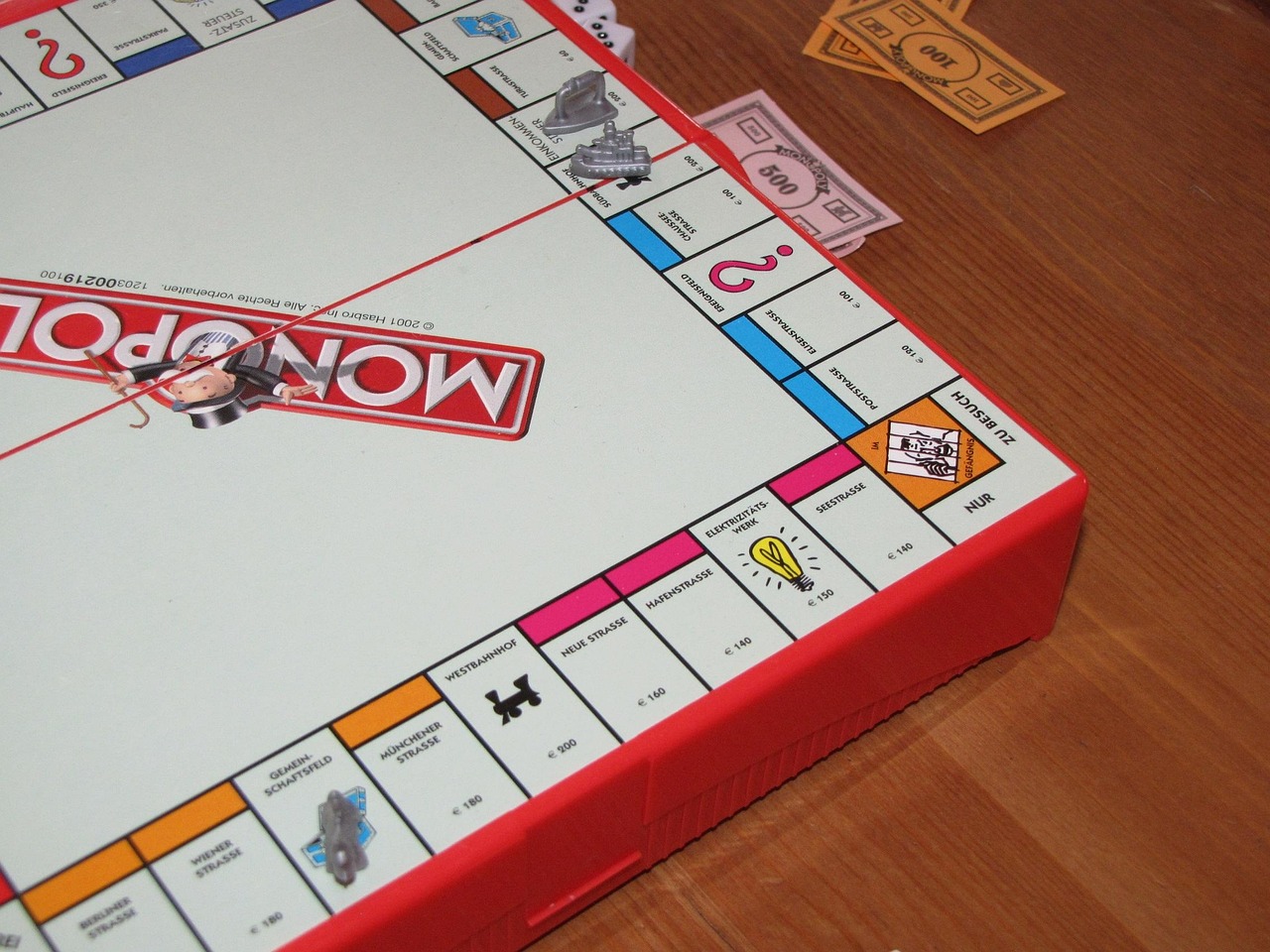
The case for board games on winter evenings is stronger than it might sound. There’s something about the physical presence of a game — the board, the pieces, the dice, the little arguments about rules — that keeps everyone in the room and in the moment in a way that watching something on TV doesn’t quite manage. Games give people something to be collectively absorbed by, which removes the pressure of having to entertain each other through conversation alone.
Monopoly specifically is worth defending against its own reputation. The reason it goes on forever is almost always Free Parking money — the house rule where fines go into the middle and someone wins the jackpot. Take that out, add strict property auctions for anything nobody buys at asking price, and agree on a rough time limit before you start. A game played that way runs ninety minutes comfortably. It becomes a proper evening activity rather than a commitment. Set it up with snacks, something warm to drink, and low music in the background and it feels more like a slow, enjoyable ritual than a competitive exercise.
Beyond Monopoly: Carcassonne is brilliant for two people and takes under an hour. Ticket to Ride works for families and is genuinely tense in a satisfying way. Codenames for groups who want something faster. Bananagrams when you have twenty minutes and just want something.
- Set the board up before dinner — it creates anticipation and you won’t have to do it when everyone’s tired
- Agree on house rules before you start, not during a dispute
- Keep snacks in a bowl in the middle of the table, not in the kitchen
- Play at the actual table rather than balancing things on sofa cushions
- Try team play when skill gaps between players are making it less fun
- Set a gentle time limit so nobody dreads the ending
- Have a short backup game available if the main one ends quickly
- Low background music at a volume nobody has to talk over
- Put all phones in a pile in the corner — make it a rule, not a suggestion
5) Create a Screen-Light Movie or Series Night
The worst version of a movie night: forty minutes of browsing, a vague choice made out of defeat, half-watching while also reading Twitter, eating dinner at the same time, lights on, phone face-up on the cushion buzzing occasionally. Sound familiar. The evening ends and it feels like nothing happened.
The intentional version is almost identical in its components but completely different in how it feels. You decide what to watch before you’re already on the sofa. The phone goes in another room. You dim the screen, get a blanket, make a specific snack. The difference between those two evenings is not the film — it’s the attention you brought to it.
| Setup Element | Why It Helps | Low-Cost Option | Common Mistake |
|---|---|---|---|
| Deciding what to watch in advance | Cuts decision fatigue before you’re tired | Build a watchlist during the day | Browsing for 45 minutes and settling |
| Dimming the screen | Less eye strain, more atmosphere | Adjust brightness in picture settings | Default showroom brightness in a dark room |
| Phone in another room | Actual engagement rather than split attention | Literally just put it down the hall | Face-down on the cushion “just in case” |
| A specific snack or drink | Marks the occasion as deliberate | Popcorn, hot drink, something from the cupboard | Eating dinner in front of it — ruins both |
6) Try a Gentle Creative Hobby
There’s a type of activity that occupies the hands just enough to stop you picking up your phone every four minutes, while leaving the mind calm rather than taxed. Jigsaw puzzles are the obvious example. So is knitting, embroidery, adult colouring (which lost its novelty but not its usefulness), sketching badly in a notebook, or going through old photos and actually organising them into albums rather than leaving them in a phone camera roll from 2018.
None of these need to be done well. That’s the point. Most of the evening activities people actually find restful involve making something without any particular outcome attached. A half-finished puzzle left on a side table for the week, returned to for twenty minutes at a time. A scarf that’ll be done by March. A sketchbook that’ll never leave the house. The lack of stakes is the whole appeal.
What these activities share is a quality of absorption that’s different from passive entertainment — you’re not just consuming something, but you’re also not working. It’s a middle register that can be hard to find in modern life, where most activities seem to be either demanding or completely passive. Winter evenings are a good excuse to build a small creative habit, even if creative is a generous word for what you’re actually producing.
7) Build a Wind-Down Routine for Better Sleep
The last hour before sleep is the one most people handle worst. Phones in bed, a final check of email, something stimulating on TV, then lying awake with thoughts arriving at inconvenient speed. The problem is familiar. The fix is straightforward, if not always easy to implement.
A consistent wind-down sequence — not a rigid schedule, but a loose set of steps that happen in roughly the same order — tells the body that the day is ending. Dimming lights progressively from around 9pm is one of the highest-impact changes available. A warm shower or bath about an hour before sleep is genuinely useful, not just pleasant: it raises the body’s temperature slightly, and when that temperature drops again afterward, it mimics the natural thermal dip that precedes sleep onset. The Sleep Foundation has a solid rundown of what the evidence actually supports here, if you want to go further than the usual advice.
Reading a physical book in bed rather than a phone is the simplest swap most people could make tonight. Even fifteen minutes of it changes the texture of the transition to sleep — less racing, slower, easier. The goal isn’t perfect sleep. It’s a better approach to the door.
How to Choose the Right Activity Tonight
The mistake is treating cozy evening activities as aspirational. You see a winter evening routine with soup and journaling and a board game and a bath, and it sounds wonderful, and you attempt all of it on a Wednesday when you’re already exhausted, and it falls apart before the soup is done. Match the activity to the actual evening, not the ideal one.
A rough guide:
- If you’re completely flat — make one warm drink, watch one familiar episode, go to bed earlier than you planned
- If you’re anxious or overstimulated — ten minutes of journaling, then something physical like a stretch or a walk around the block first
- If you’re bored but too tired to commit to anything — start a puzzle; it’s easy to stop and easy to return to
- If you’re alone and craving connection — write a letter or text someone properly, not a meme, an actual message
- If you’re with family or a group — board game, something competitive but not vicious
- If you’re with a partner and want low-effort togetherness — decide on a film in advance, make a specific snack, keep the phones away
- If you have more energy than usual — cook something slow, eat it at the table, let the evening build around that
- If you want to feel productive without the cost of actually working — sort old photos, tidy one small drawer, organise something while music plays
- If you need silence and recovery — reading, candle, no podcast, no music if you can manage it
- If you want something social but free — game night with whatever’s in the cupboard for snacks costs essentially nothing
A Cozy Evening Plan You Can Repeat
The evenings that actually feel restorative tend to have some underlying shape — not a schedule, just a sequence. Something to do, something to wind down with, something that reliably ends with you ready for sleep. The evenings that don’t work are usually the ones where you’re deciding what to do next while already sitting on the sofa at 8pm wondering why you feel unsettled.
Here’s a weeknight version that takes about two hours and doesn’t require any advance planning beyond having food in the house:
| Time Block | Activity | Mood Goal | Notes |
|---|---|---|---|
| 6:00–7:00 pm | Cook and eat dinner | Transition out of work mode | Table, not sofa; no phone |
| 7:00–7:15 pm | Set the room up properly | Signal the shift to evening | Lights, drink, blanket — takes five minutes |
| 7:15–8:30 pm | Main activity (game, film, hobby, reading) | Absorption and enjoyment | Picked in advance; don’t decide when already tired |
| 8:30–9:00 pm | Quiet wrap-up — journal, stretch, nothing heavy | Decompression | Don’t start anything new at this point |
| 9:00–9:30 pm | Warm shower, dim lights further | Body and room cooling toward sleep | Screens off or very dim |
| 9:30–10:30 pm | Read in bed; lights out when tired | Easy slide into sleep | Physical book; phone in another room if possible |
On weekends, the same shape just shifts later and breathes more. The game night goes an extra hour. The cooking gets more ambitious. The wind-down still happens — it’s just at 10:30 instead of 9. Keeping that ending sequence consistent, even on weekends, is what actually protects your sleep rather than sacrificing it.
Winter evenings are underrated. Six months from now, in July, you’ll be eating dinner while it’s still light outside and struggling to get the room dark enough to sleep, and you might actually miss the sealed-in feeling of a January night with nowhere to be. A warm room, something simmering, a game on the table or a book on the arm of the sofa — it’s not complicated. It just requires deciding, deliberately, to make it happen.
The best winter evenings aren’t the special ones. They’re the ordinary ones you set up well.