

Wet/dry vacuums are versatile cleaning appliances that handle everyday dirt, liquid spills, pet hair, and stubborn sticky messes in a single pass. Choosing among the best wet/dry vacuums for home use is harder than it looks, because the category covers very different machines: some wash sealed hard floors, while others are rugged utility units built for basements and garages. This guide compares leading models by category, explains which features matter, and shows how to match a machine to your home, covering performance, convenience, maintenance, and value.
Best Wet/Dry Vacuums for Home Use Compared
The right choice depends on your floor types, household size, cleaning habits, and budget. Rather than ranking by suction alone, the models below represent different needs. Specifications vary by version, so verify current figures with the manufacturer.
| Vacuum model | Type | Cleaning performance | Tank capacity | Runtime / cord | Weight | Key advantage | Main drawback | Best for |
|---|---|---|---|---|---|---|---|---|
| Bissell CrossWave HydroSteam | Corded floor washer | Strong on sticky hard-floor messes | Compact dual tanks | Long cord | Mid-weight | Vacuums and washes at once | Not for deep liquid spills | Mixed hard floors |
| Shop-Vac 5-gallon | Corded shop vac | Strong raw suction | About 5 gal | Long cord | Light for a shop vac | Low price, simple design | No floor washing | Occasional cleanup |
| Tineco Floor One S5 | Cordless floor washer | Good on daily messes | Dual tanks | Limited battery | Light to mid | Freedom of movement | Runtime limits big homes | Apartments, quick cleaning |
| Bissell CrossWave Pet Pro | Corded floor washer | Handles hair and mud | Dual tanks | Long cord | Mid-weight | Pet-focused brush roll | Needs frequent cleaning | Dog and cat owners |
| Ridgid 12-gallon | Corded shop vac | High-power suction | About 12 gal | Long cord | Heavy | Handles big liquid spills | Bulky storage | Garages, basements |
Best Overall Wet/Dry Vacuum for Home Use
The Bissell CrossWave HydroSteam is a strong all-around pick because it vacuums dry debris and washes sealed floors simultaneously, saving a separate mopping step. It is easy to operate and simple to maintain, thanks to its separate clean- and dirty-water tanks. The limitation is that it is not designed for large puddles or heavy debris. It suits households with mostly hard floors and daily mess.
Best Budget Wet/Dry Vacuum
The Shop-Vac 5-gallon gives reliable everyday cleaning without premium extras. It offers solid suction, a durable plastic tank, and basic hose attachments. The compromises are limited accessories, louder operation, and no floor-washing function. For smaller homes and occasional spills, car cleanup, or workshop use, it provides enough functionality at a low price.
Best Cordless Wet/Dry Vacuum
The Tineco Floor One S5 shows what cordless offers over corded models: easy maneuverability, no cord to manage, and quick cleanups. Battery runtime and charging time limit coverage, so it works well for apartments and one or two rooms but may need a recharge in larger homes. Its light weight makes carrying and storage easy.
Best Wet/Dry Vacuum for Pet Owners
The Bissell CrossWave Pet Pro targets pet hair, muddy paw prints, and food debris. The key features for pet homes are a brush roll that resists tangling, solid filtration, odor control, and a tank that is easy to rinse. Hair still needs removing from the roller regularly, but the design keeps this manageable.
Best Heavy-Duty Wet/Dry Vacuum for Larger Homes
The Ridgid 12-gallon shop vac suits basements, garages, utility rooms, and renovation debris. Its strengths are motor power, large capacity, and a long hose and cord for reach. It is heavy and needs dedicated storage space, but it can handle substantial liquid spills without constant emptying.
Wet/Dry Vacuum Types and Features: What Actually Matters?
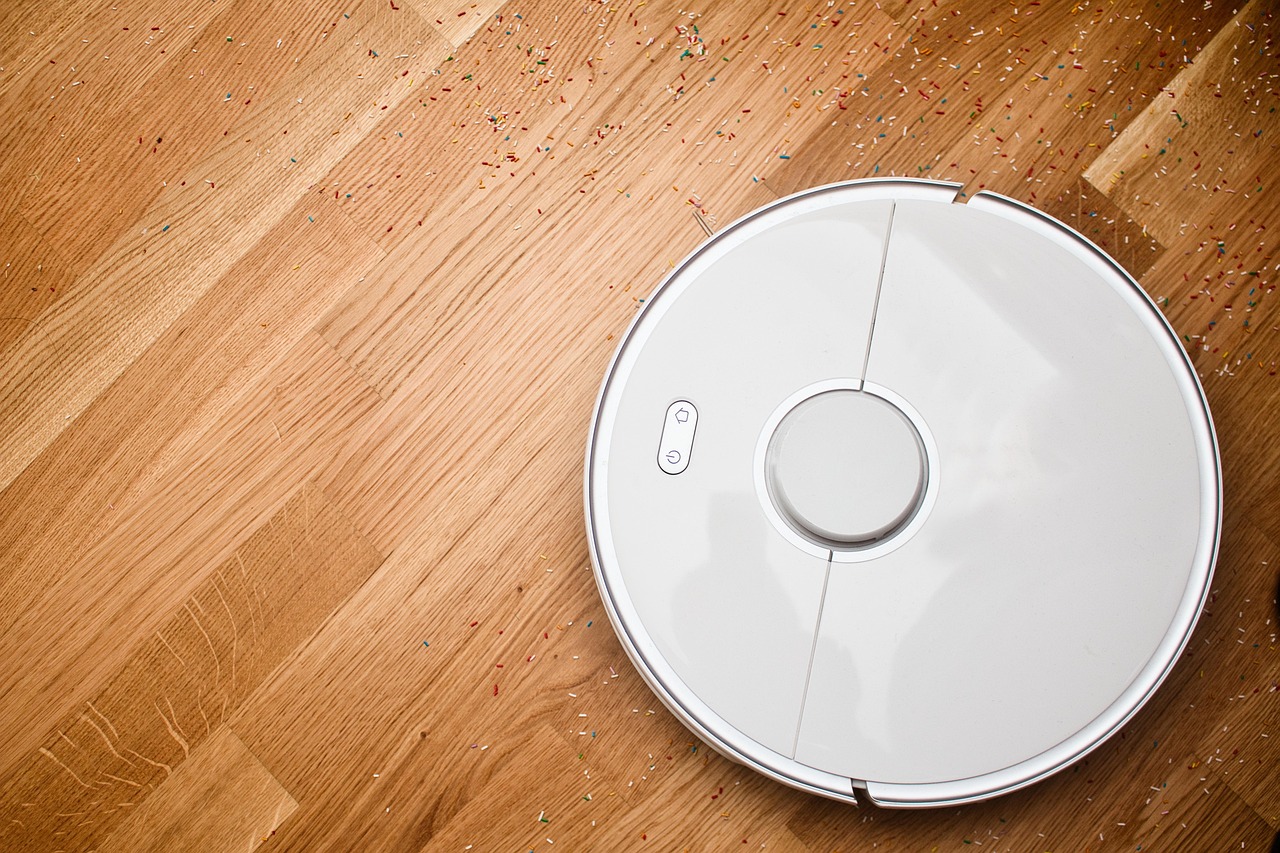
Wet/dry vacuums are not all built for the same tasks. Some combine vacuuming and floor washing, while others prioritize suction and large-capacity debris collection. Knowing this split before buying prevents the most expensive mistakes.
Floor Washers vs. Traditional Wet/Dry Shop Vacs
Floor washers pick up dirt and wash sealed hard surfaces using separate clean- and dirty-water tanks. Shop vacs use utility-focused designs for debris and larger quantities of liquid.
- Floor washers: everyday floor cleaning, sticky spills, sealed hard floors, and pet-related messes.
- Shop vacs: garages, basements, renovation debris, larger spills, and versatile utility cleaning.
Suction Power, Tank Capacity, and Filtration
Manufacturers often advertise peak horsepower, which measures motor output under unrealistic conditions. Air watts better reflect real suction at the nozzle, so compare them where listed. Filtration matters just as much: HEPA filters capture fine particles, washable filters cut running costs, and the correct filter must be used for wet or dry pickup, since a dry paper filter can be ruined by liquid. Larger tanks are not always better for daily use, because they add weight and bulk. For more on household air quality, see the EPA’s indoor air quality resources.
Corded vs. Cordless Performance
Corded models deliver consistent power with no runtime limits, making them better for larger houses and long sessions. Cordless models trade runtime and charging time for mobility, which suits small apartments and quick daily cleaning. Check cord length and room coverage before choosing.
Brush Rolls, Self-Cleaning, and Other Useful Features
Features that genuinely save time include anti-tangle brush rolls, edge cleaning, swivel heads, and LED lights that reveal hidden dirt. Self-propelled movement and automatic dirt detection are helpful but mostly premium conveniences. Self-cleaning docks reduce manual work noticeably, though they raise the price.
How to Choose the Right Wet/Dry Vacuum for Your Home
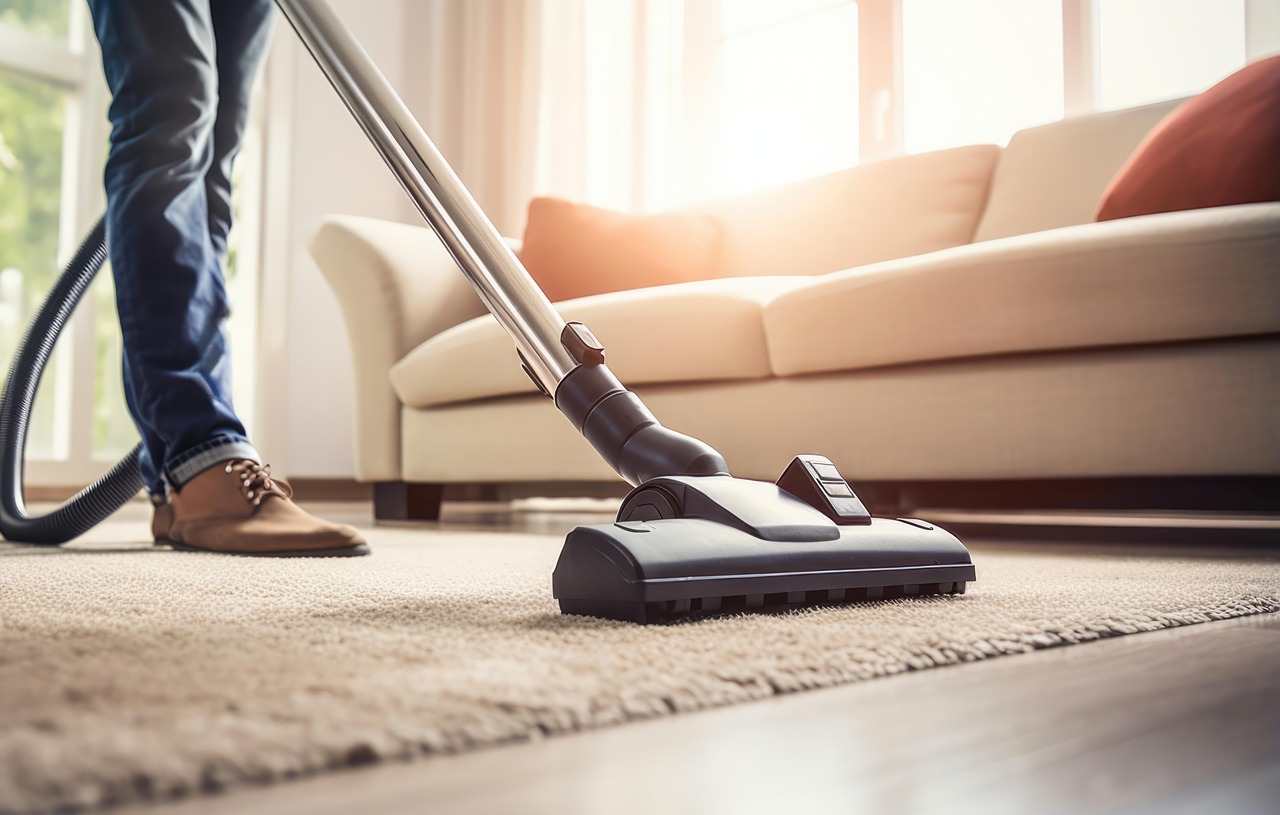
Base your choice on household needs, not specifications alone. Consider floor materials, available storage, cleaning frequency, and the messes you regularly face.
Match the Vacuum to Your Flooring and Cleaning Needs
Hardwood, laminate, tile, vinyl, sealed stone, area rugs, and carpets each react differently to water and detergent. Always check manufacturer-approved surfaces, especially with water, detergent, or steam. Washing sealed hard floors is very different from extracting liquid from carpet, so confirm which your model does.
- Mostly hard floors: cordless or corded floor washer.
- Mixed flooring: versatile wet/dry model with suitable attachments.
- Pets and children: easy-to-clean brush roll and effective filtration.
- Garage or basement: high-capacity shop vac.
- Small apartment: compact, lightweight model with convenient storage.
Maintenance, Noise, Weight, and Storage
Buyers often overlook ownership details such as dirty-water tank emptying, filter washing, brush-roll care, replacement part availability, noise levels, carrying weight, and dock dimensions. Always clean and dry components after wet pickup, since leftover moisture causes odors and residue buildup.
How Much Should You Spend on a Wet/Dry Vacuum?
| Price category | What you typically get |
|---|---|
| Budget | Essential cleaning functions and basic accessories |
| Midrange | Improved maneuverability, better filtration, additional cleaning modes |
| Premium | Advanced sensors, cordless convenience, enhanced self-cleaning, specialized features |
Advanced sensors, heated cleaning, automatic detergent dispensing, and self-cleaning systems are worth paying for only if you clean often and value convenience. Also account for long-term costs: replacement rollers, filters, cleaning solutions, and batteries.
Wet/Dry Vacuum Maintenance and Common Buying Mistakes
Proper maintenance protects cleaning performance, appliance lifespan, and hygiene. Poor habits and bad purchasing choices lead to weak results, wasted money, or damaged equipment. Dampness left in a machine can also encourage mold growth, so review the EPA’s guidance on mold and moisture if you regularly clean up water.
How to Clean and Maintain a Wet/Dry Vacuum
The routine covers emptying tanks, rinsing dirty-water containers, removing hair from rollers, cleaning filters per manufacturer instructions, checking hoses, and letting washable parts dry fully. Traditional shop vacs and floor washers need different procedures, so follow your manual.
- After each use: empty and rinse tanks, wipe the nozzle, and air-dry parts.
- Weekly: inspect hoses for clogs and remove hair from the brush roll.
- Filter care: wash or tap clean per instructions, and dry completely before reuse.
- Periodically: replace worn filters, rollers, and other consumables.
Common Mistakes to Avoid When Buying and Using One
- Choosing a shop vac when a dedicated floor washer is needed for daily hard-floor cleaning.
- Assuming every model is safe for carpets, rugs, or unsealed wood.
- Prioritizing peak horsepower over real cleaning performance.
- Ignoring tank capacity and battery runtime.
- Overlooking the cost of replacement rollers, filters, and cleaning solutions.
- Assuming self-cleaning eliminates all manual maintenance.
- Using the wrong filter or operating mode for wet pickup.
Conclusion
The best wet/dry vacuums for home use differ mainly in purpose, so the right choice depends on your cleaning priorities. Choose a floor washer for regular hard-floor maintenance, a cordless model for convenient everyday cleaning, and a traditional shop vac for larger spills and demanding utility tasks. Before buying, compare real cleaning performance, maintenance requirements, capacity, and total ownership costs.